Ever felt like retinol might be doing more harm than good? You're not the only one wondering if the promise of clearer, smoother skin is worth the flaking, redness, and burning that sometimes comes with it. Retinol has earned a reputation as a skincare powerhouse, but it's also known for being somewhat harsh, especially if not used correctly. So, how do you get the benefits without the uncomfortable side effects? Here's what works to help your skin adjust and thrive.
Retinol, a derivative of vitamin A, is widely recognized for its ability to accelerate cell turnover. It can fade dark spots, reduce fine lines, unclog pores, and smooth out rough texture. However, the same process that yields those results can also compromise your skin's natural barrier, particularly if your skin is sensitive or you're new to active ingredients.
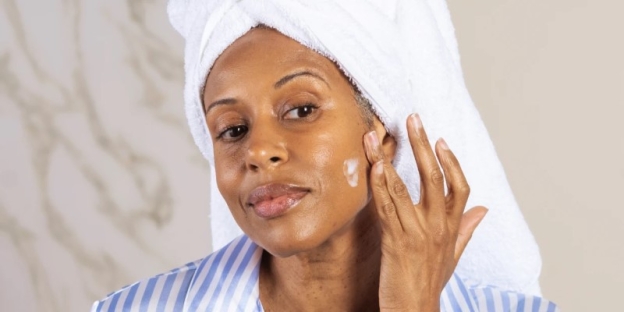
This happens because retinol stimulates skin renewal faster than your skin might be ready for. If the skin barrier becomes compromised, it leads to dryness, irritation, and flaking—sometimes all at once. The key to success lies not in avoiding retinol altogether, but in establishing a careful and patient routine that helps your skin acclimate to it.
Yes, but it takes a slower, more deliberate approach. Many people with sensitive or dry skin assume retinol is off-limits for them. The truth is, they need to introduce it gently and maintain a supported skin barrier along the way. Even dermatologists often start new retinol users—regardless of skin type—on a mild formula with a low percentage.
Suppose your skin tends to become red easily or sting with new products. In that case, you'll want to start with a lower-strength retinol or a retinoid alternative, such as retinaldehyde or bakuchiol, initially. Once your skin has built tolerance, you can gradually move to more potent formulas.
The biggest mistake people make with retinol is trying to use it every night right from the beginning. That almost always leads to irritation. Think of it as strength training for your skin—you don’t jump into the heaviest weights on day one.
Start with twice a week for the first two weeks. If your skin handles it well, increase to three times a week. From there, you can work up to using it every other night, and eventually nightly if your skin tolerates it well. Spacing it out gives your skin a chance to adjust and recover.
Some people follow the “retinol sandwich” method—applying a layer of moisturizer before and after retinol. This can reduce the sting without completely blocking the effects.
Always at night. Retinol breaks down quickly in sunlight, making it less effective and potentially increasing your risk of irritation. Using it at night also gives your skin time to recover while you sleep. After applying retinol, keep the rest of your nighttime routine simple. A basic, fragrance-free moisturizer is enough to support the skin barrier.
In the morning, never skip sunscreen. Retinol can make your skin more sensitive to UV rays, and without protection, you risk increased irritation and sun damage. A broad-spectrum SPF 30 or higher is non-negotiable when retinol is part of your routine.
Layering retinol with certain other active ingredients can exacerbate irritation. If you're using products containing AHAs, BHAs, benzoyl peroxide, or vitamin C, it's best to use them at different times, often on alternate days.
This doesn't mean you have to stop using them altogether, but combining too many powerful ingredients at once can overwhelm the skin. Allow your skin time to benefit from retinol on its own before adding other actives to the mix.
Think gentle and hydrating. Look for moisturizers that contain ingredients like ceramides, glycerin, niacinamide, or hyaluronic acid. These support the skin barrier, reducing dryness and flaking. Avoid formulas that contain strong exfoliants or fragrances while you're introducing retinol.
If your skin is dehydrated, you might benefit from a heavier cream rather than a lotion. Apply it after your retinol to lock in hydration. In some cases, people apply moisturizer before retinol as well (this is part of the sandwich method) to buffer the effects, especially during the early weeks.
Yes, and it's completely normal. In the first few weeks, you might notice breakouts appearing in areas where you usually get pimples. This is often referred to as the "purging" phase. Retinol speeds up cell turnover, so blockages under the skin may come to the surface more quickly.
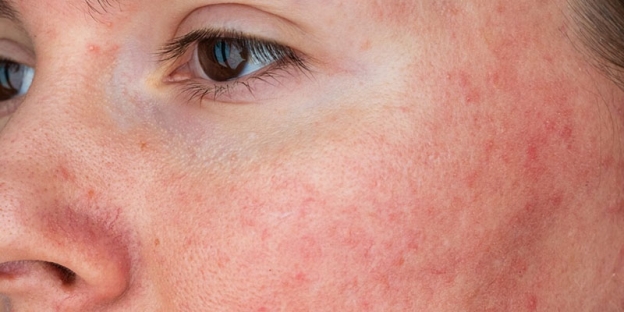
Purging doesn’t happen to everyone, and it usually lasts for about 2–6 weeks. If the breakouts last longer than that or occur in areas where you don't usually have issues, it may be a reaction rather than a purge. In that case, it's worth reevaluating your routine or checking with a dermatologist.
If you experience stinging, peeling, or redness, don’t panic—and don’t try to push through it. Take a short break from retinol to allow your skin to calm down. Focus on soothing, barrier-repairing skincare products, including hydrating cleansers, calming serums, and rich moisturizers.
Once your skin has returned to normal, you can reintroduce retinol slowly by spacing out applications more frequently or using a lower concentration. Building tolerance takes time, and everyone's pace is different. Listening to your skin is one of the most helpful things you can do.
Using retinol isn't about pushing your skin to the limit—it's about finding a pace that works for you. It can take trial and error to get there, and some days your skin might still react. That's part of the process. With a bit of patience and the proper routine, you can make retinol work for your skin, not against it.